

Author: Ilaria F. Borghese, MS, MA, OT.
When a dog begins scuffing their toes, the instinct is to find boots that will protect their paws. While protection is important, it’s only one piece of the puzzle.
Hind end weakness in dogs is a common mobility challenge that can develop suddenly or gradually and be linked to a range of orthopedic and neurological conditions. One of the earliest signs is toe scuffing during walking. A closer look at the dog’s standing posture and gait can reveal additional factors that directly impact which assistive device will be most effective. For instance, if a dog is scuffing and also shows weakness through the hocks, stifles, or hips, adding boots or a toe lifting device can sometimes hinder rather than help mobility because:
- Boots add weight for an already weakened limb.
- Toe lifting devices that fasten above the hock increase tarsal hyperflexion, shifting weight further behind, and worsening instability.
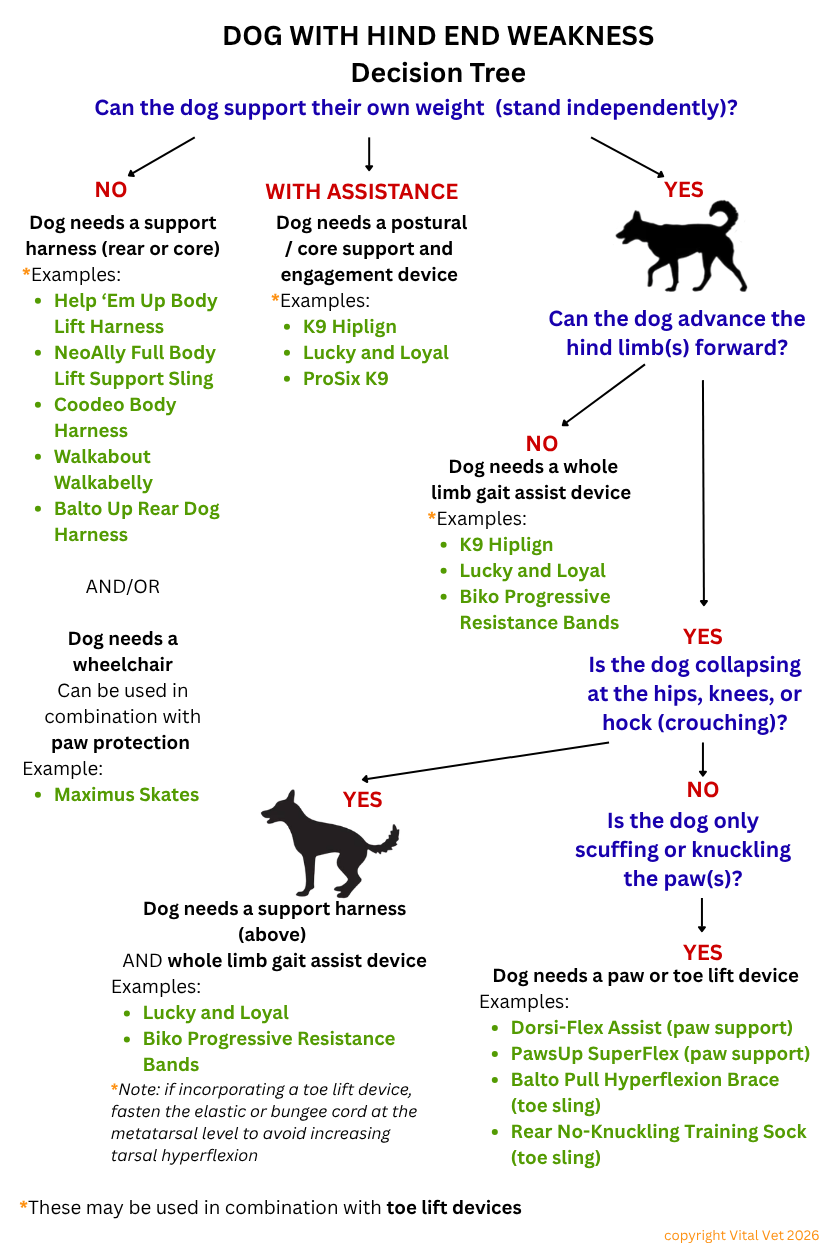
The Decision Tree in this article will help you select the right assistive aid for your pet or patient.
Before We Start – A Clinical Perspective
After more than 20 years in veterinary rehabilitation, and through my own experience caring for dogs with hind end weakness, I know how overwhelming the process can be. My most recent dog, Moozie, was diagnosed with a severe, genetic, neurological condition and initially given 12-18 months to live. With a combination of rehabilitation, thoughtful device selection, and support from the veterinary rehab community, Moozie lived happily for another 6 years.
Moozie’s journey reinforced an important truth: With an accurate diagnosis, a targeted rehab program, and the right assistive devices, many dogs can maintain mobility and quality of life far longer than expected. Read Moozie’s story.
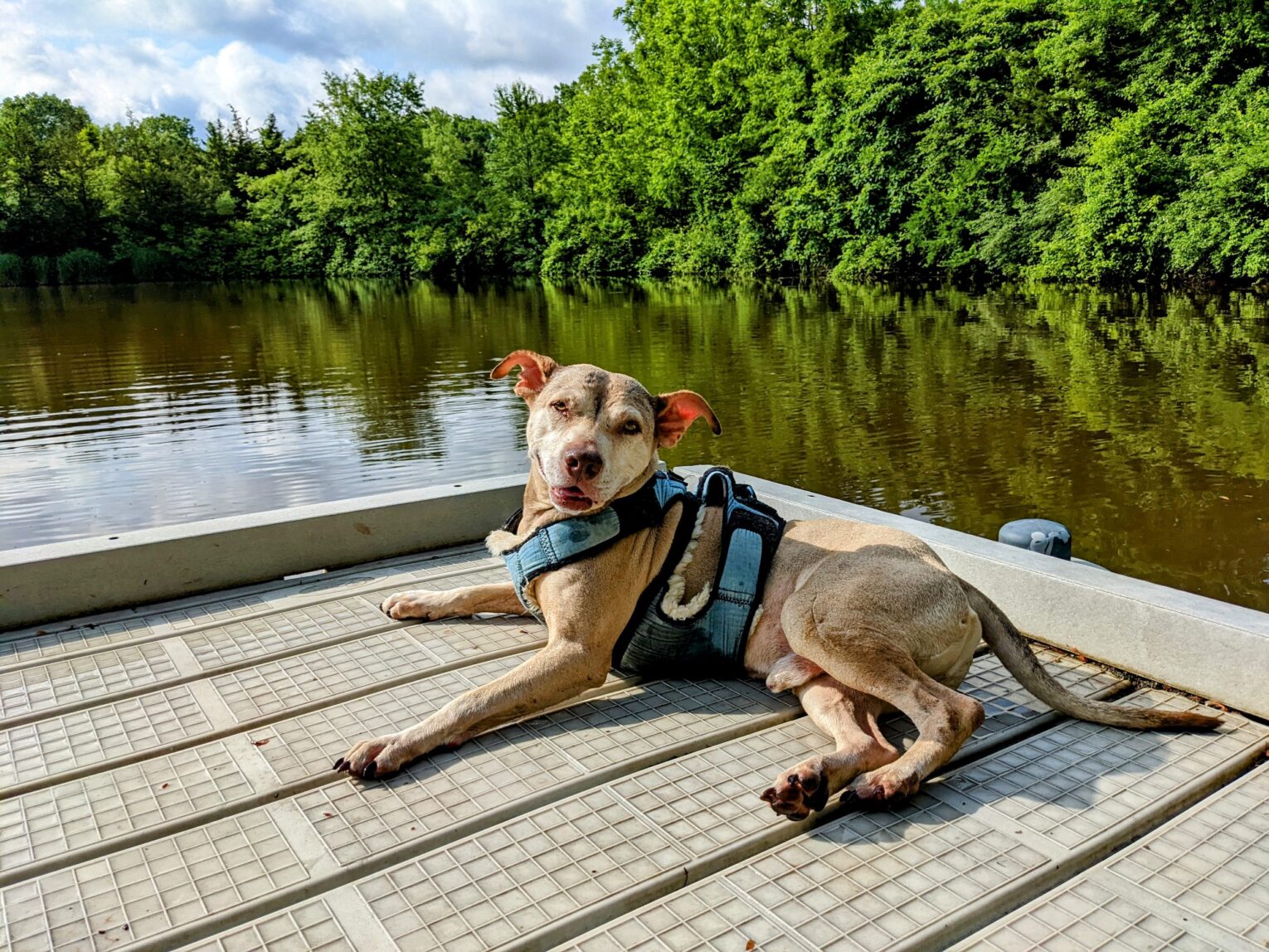
Moozie, at 10 years old. Nearly blind and deaf and unable to stand independently, yet enjoying a car ride (above) and an assisted walk to his favorite spot on the dock (below).
Step 1: Diagnosis and Gait
Diagnosis and gait assessment are critical before selecting a mobility aid.
Choosing the right device begins with understanding:
- why the weakness is occurring
- where along the neuromuscular chain the problem originates
There is extensive information describing the causes of hind end weakness (e.g., IVDD, DM, FCE, hip dysplasia, sciatic nerve injury). The goal of this guide is not to review each condition but to provide a practical framework for selecting assistive devices that improve gait and function.
Step 2: Where Does the Weakness Start?
After establishing a diagnosis, the next step is identifying where the weakness starts.
For example, a dog that is scuffing their toes or knuckling may have dysfunction anywhere between the spine and digits. Two dogs may show identical paw abrasions but require different solutions. Similar physical symptoms do not mean the same problem, and selecting the wrong device can:
- worsen gait
- lead to unnecessary expense
- waste precious time
Step 3: Rehab and Muscle Maintenance
Regardless of diagnosis, rehabilitation therapy can play a critical role in maintaining mobility.
Goals of rehabilitation include:
- preserving muscle and preventing muscle loss
- maintaining range of motion
- improving balance and coordination
- preventing secondary injuries
Common rehab techniques include:
- targeted strengthening exercises
- balance training
- neuromuscular electrical stimulation and laser therapy
- underwater treadmill therapy
Nutritional support is also essential for these dogs. Supplements such as Myos are commonly used to maintain and build lean muscle mass. Maintaining strength is especially important in dogs with progressive neurological disease since it directly impacts balance, endurance, and long-term mobility and independence.
Step 4: Choosing the Right Assistive Device
Once the source and severity of the weakness are understood, assistive devices can be selected with greater confidence.
Assistive devices fall into 4 main categories:
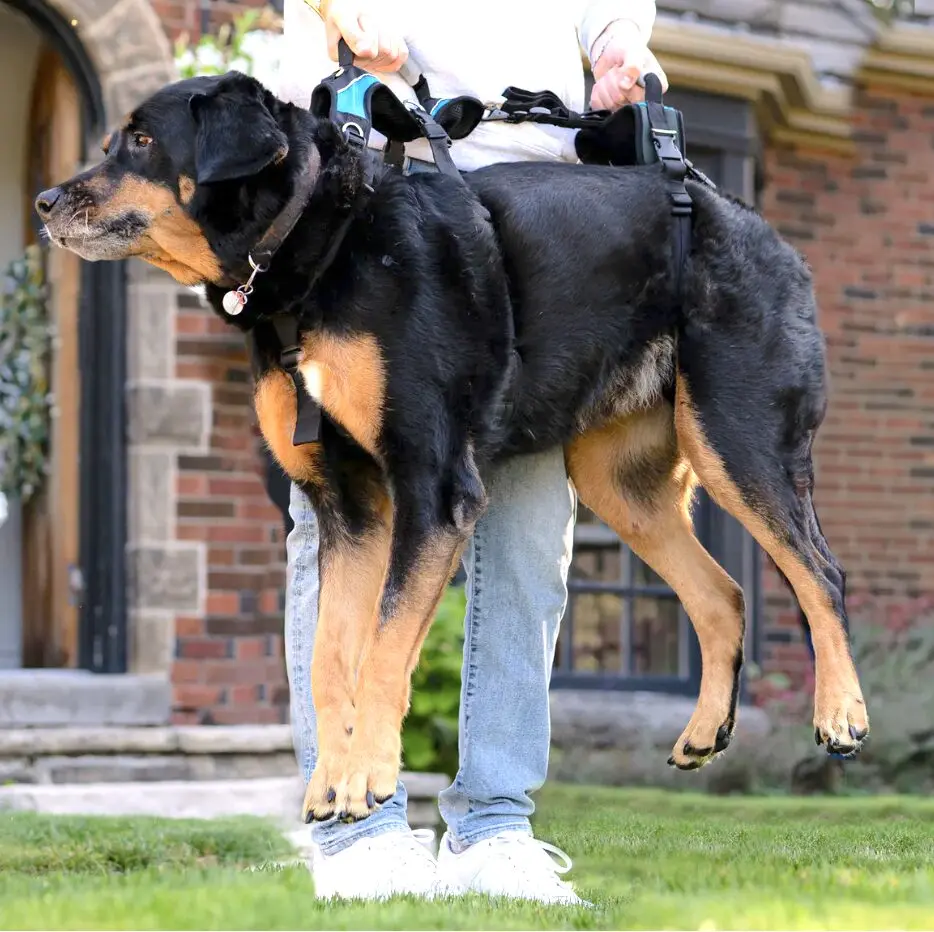
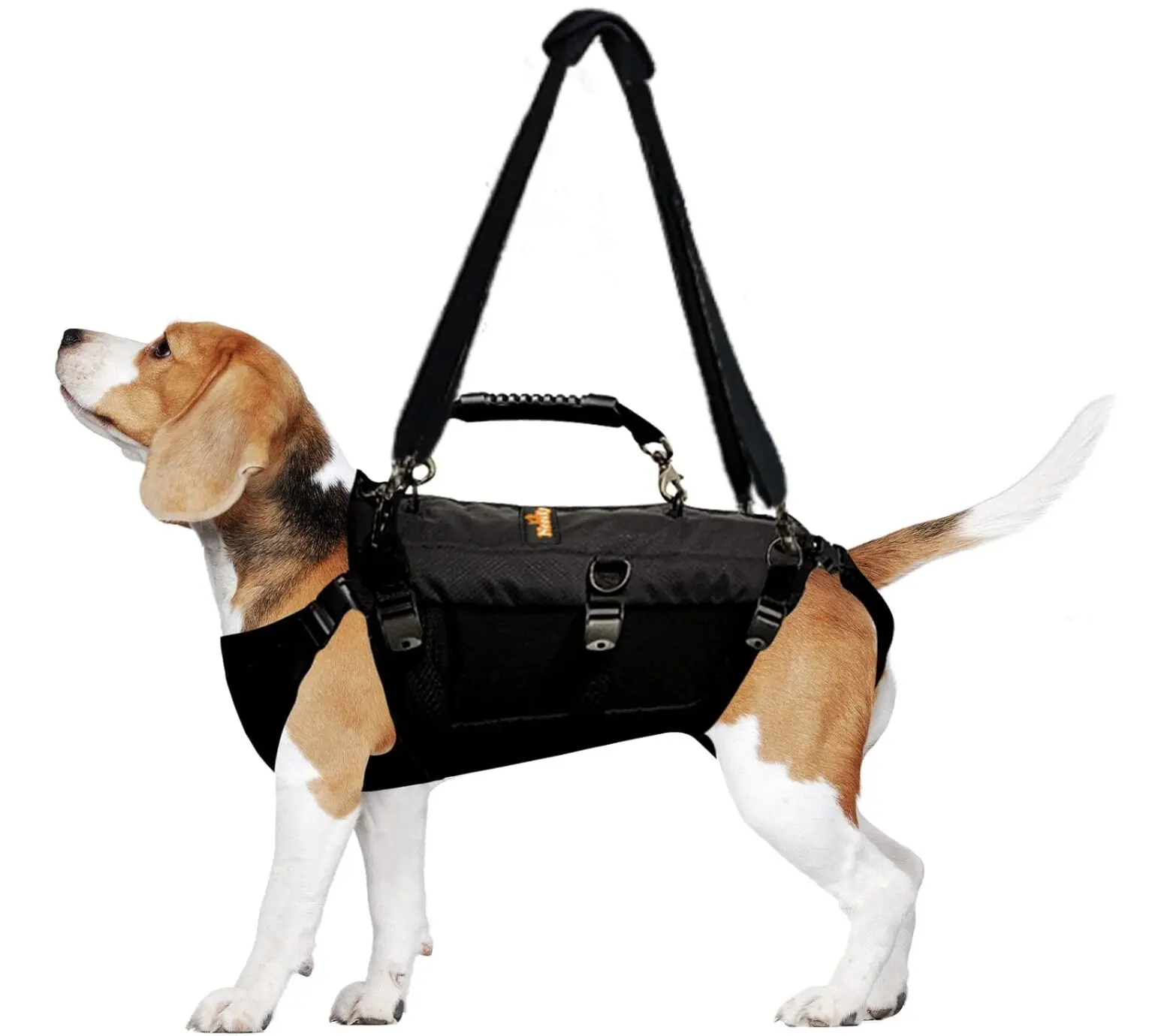
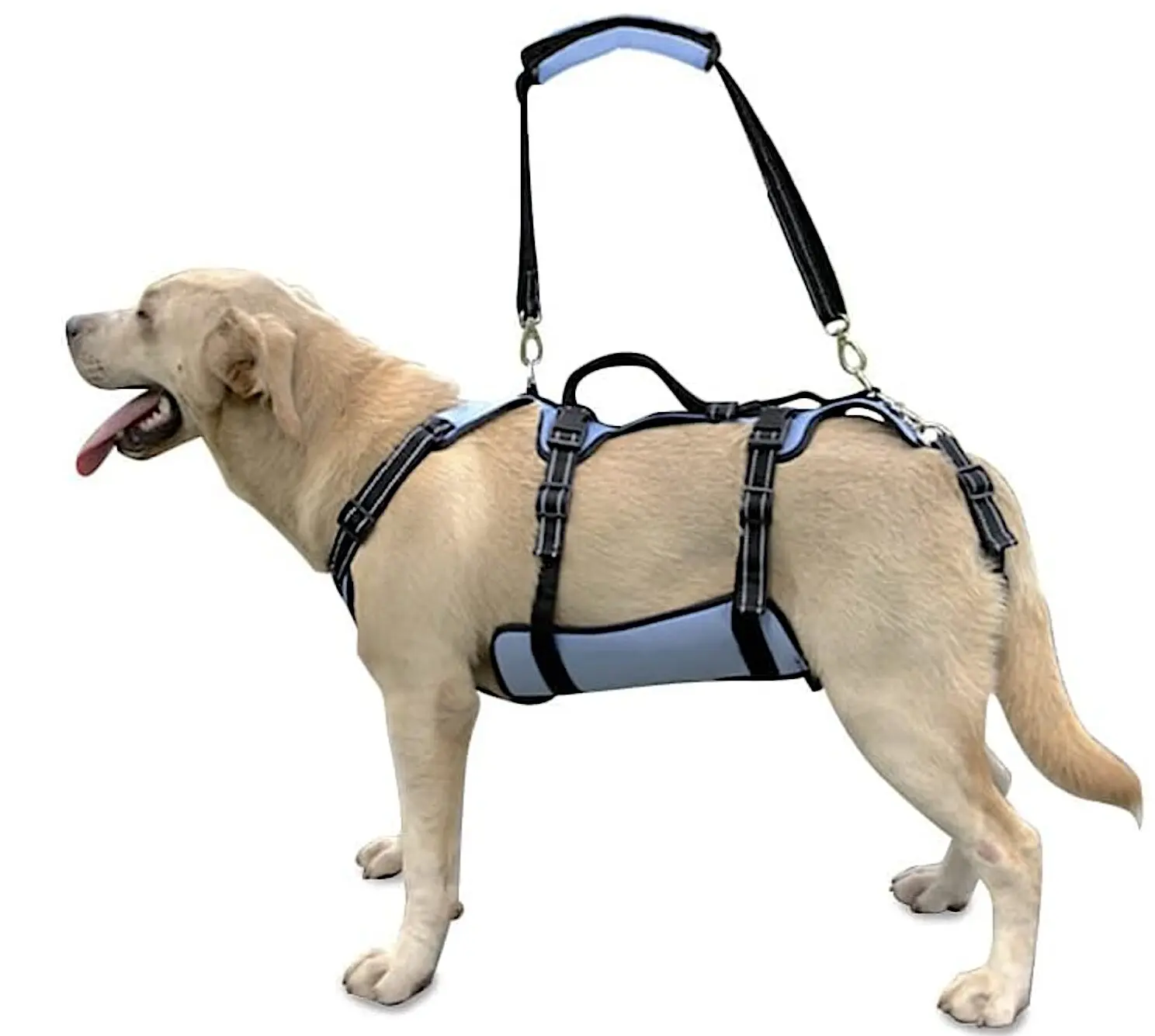
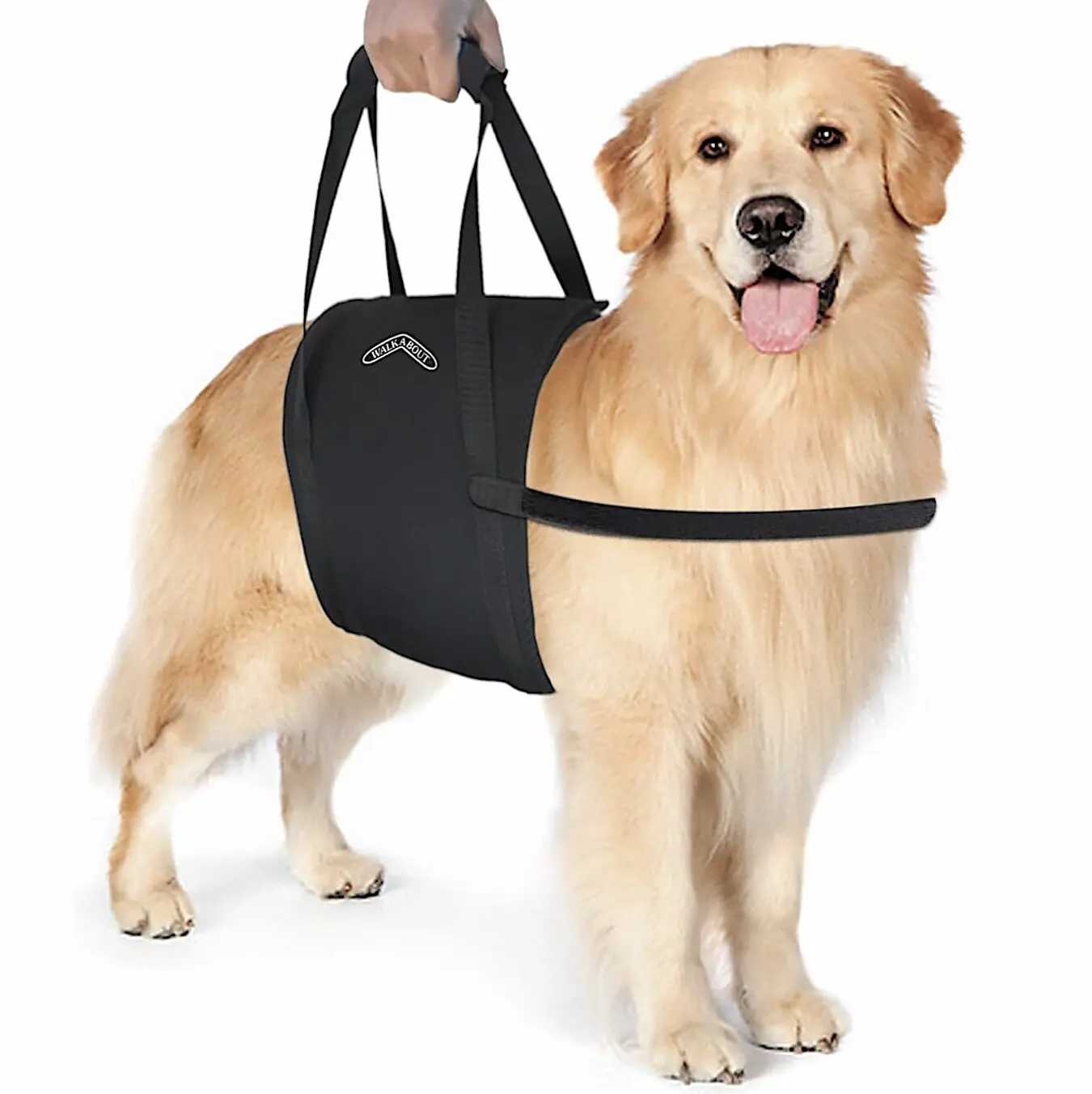
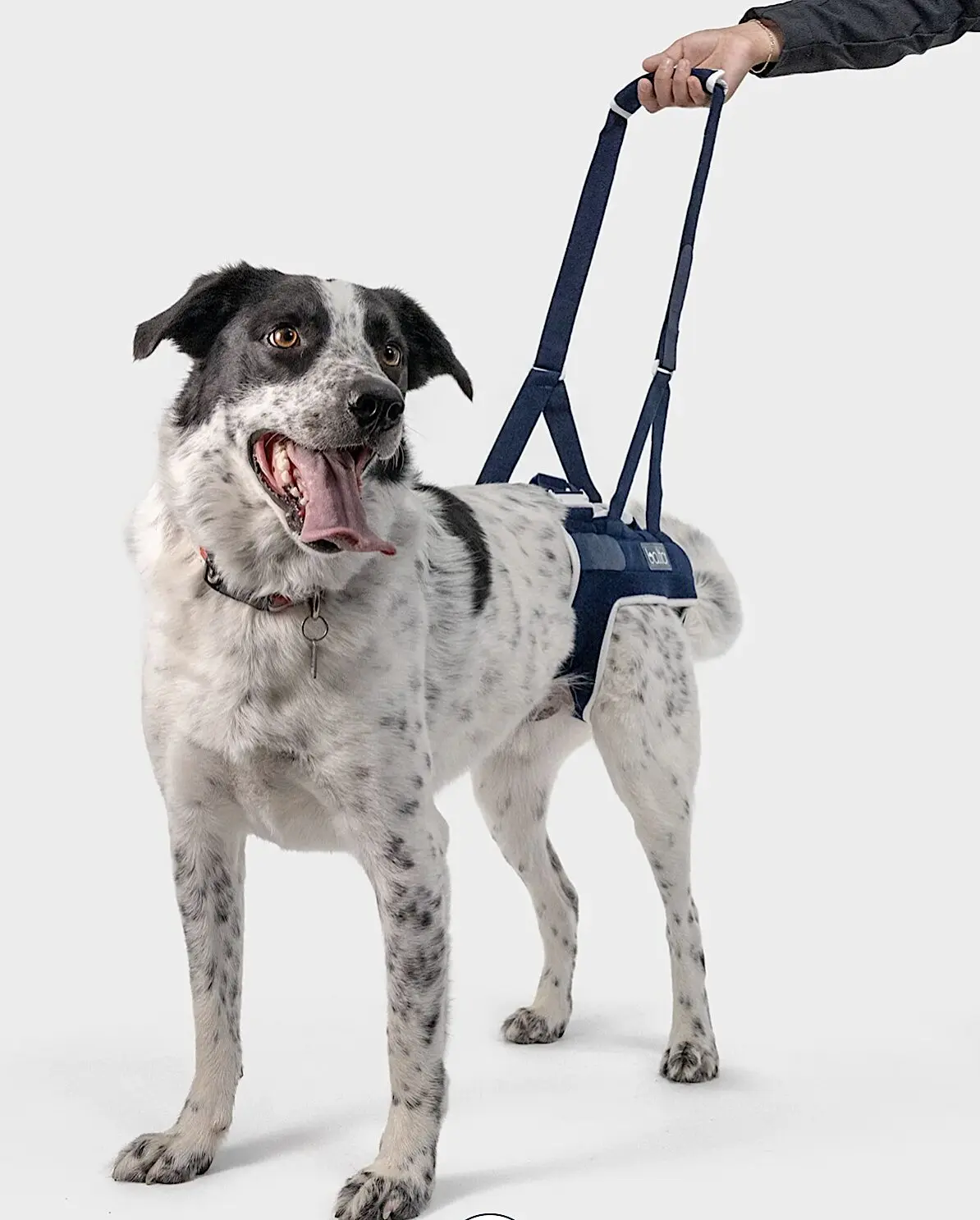
- Support Harnesses – Harnesses are often the first step in postural support. They allow the caregiver to offload the dog’s weight, which assists them with standing, walking, and navigating stairs.
-
- Rear end harnesses, like the Balto Up Dog, specifically support the hind limbs and are useful during early stages of weakness.
-
- Chest and core harnesses provide greater support and are better for dogs requiring assistance standing and walking throughout the day. Comfort and fit are critical, especially for dogs that need to wear a harness for extended periods.
-
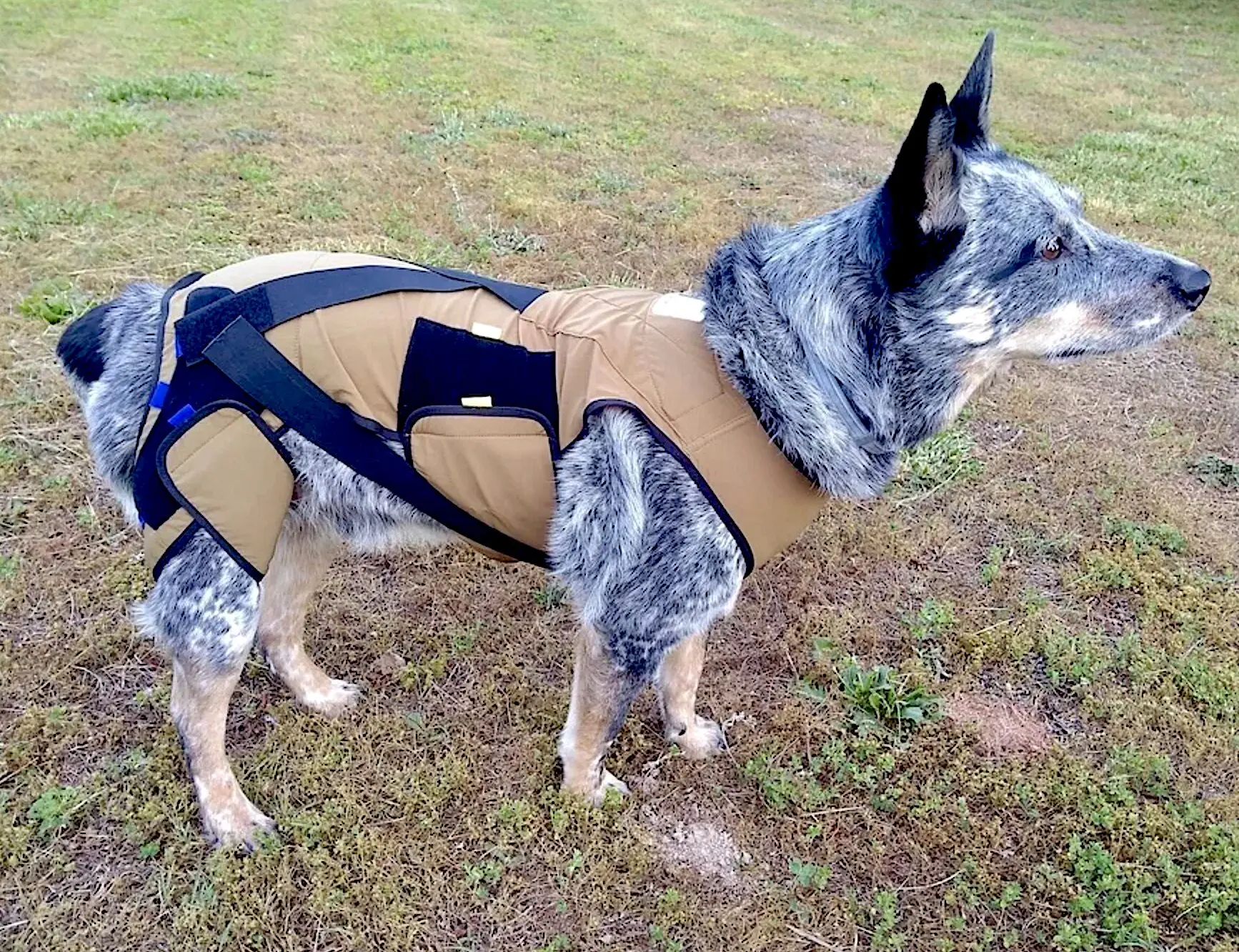
- Postural and Core Support and Awareness Devices – For some dogs, stabilizing their posture can help activate core muscles and awareness, and improve gait. Devices like the ProSix K9 provide sensory input and resistance that help stabilize the dog and encourage walking. These devices are great gait-retraining tools and valuable in rehab settings and in dogs with mild and moderate weakness.
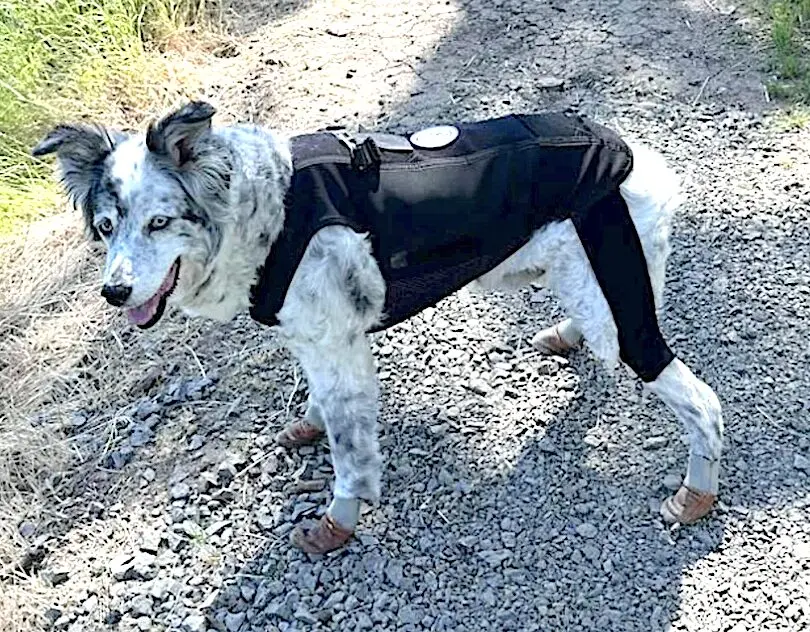
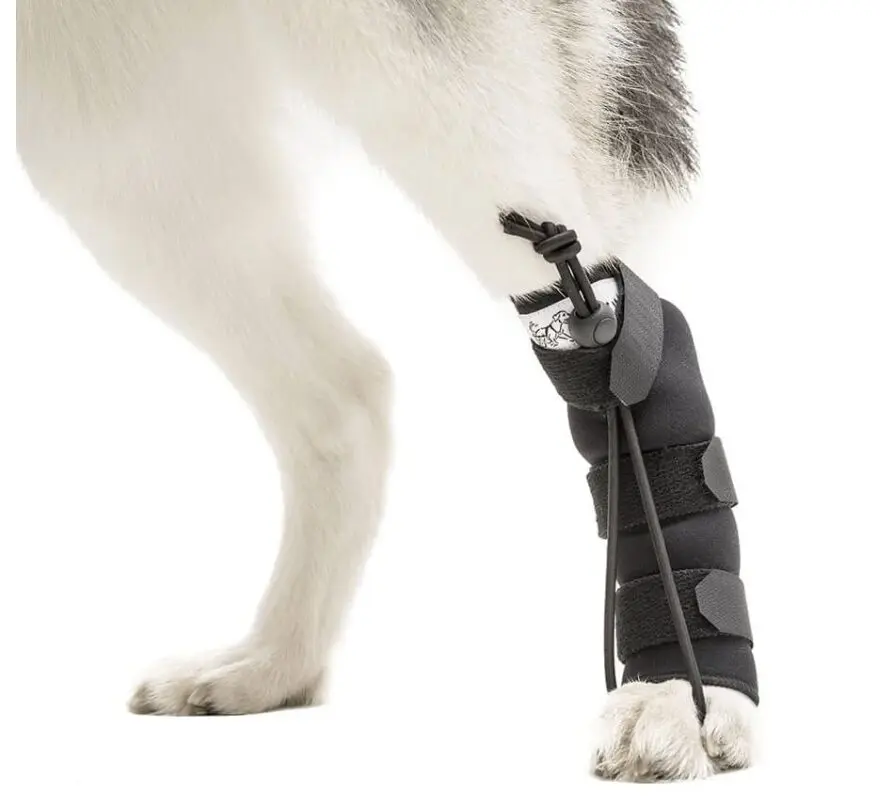
- Whole-Limb Gait Assist Devices – Some dogs can support their weight when standing but lack the strength to advance their entire limbs during walking. In these cases, devices that assist the entire hind legs may be your best choice. Examples include systems like Lucky and Loyal and the Biko Progressive Resistance Bands, which use elastic resistance to help bring the limbs forward during gait.
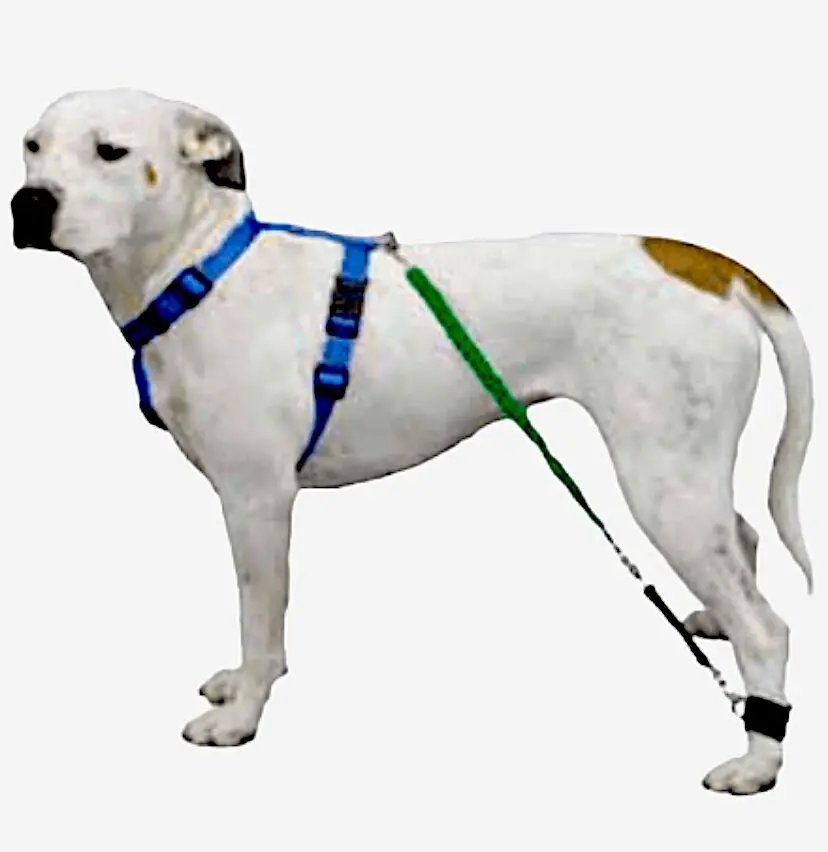
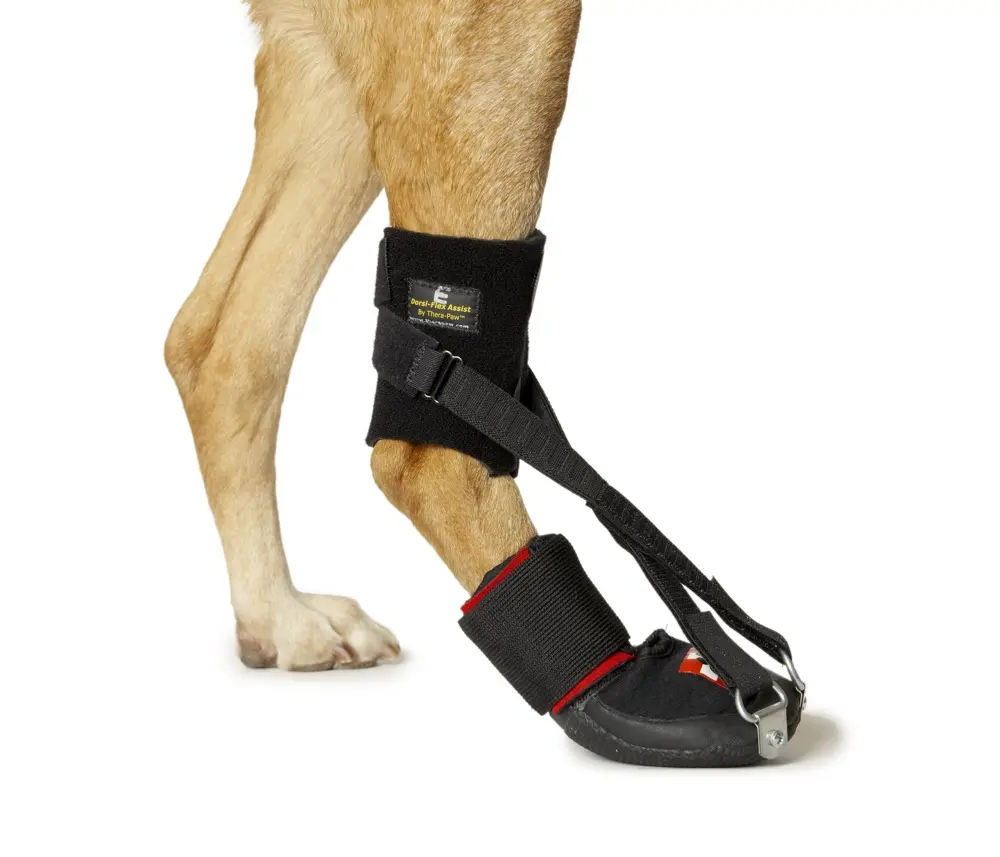
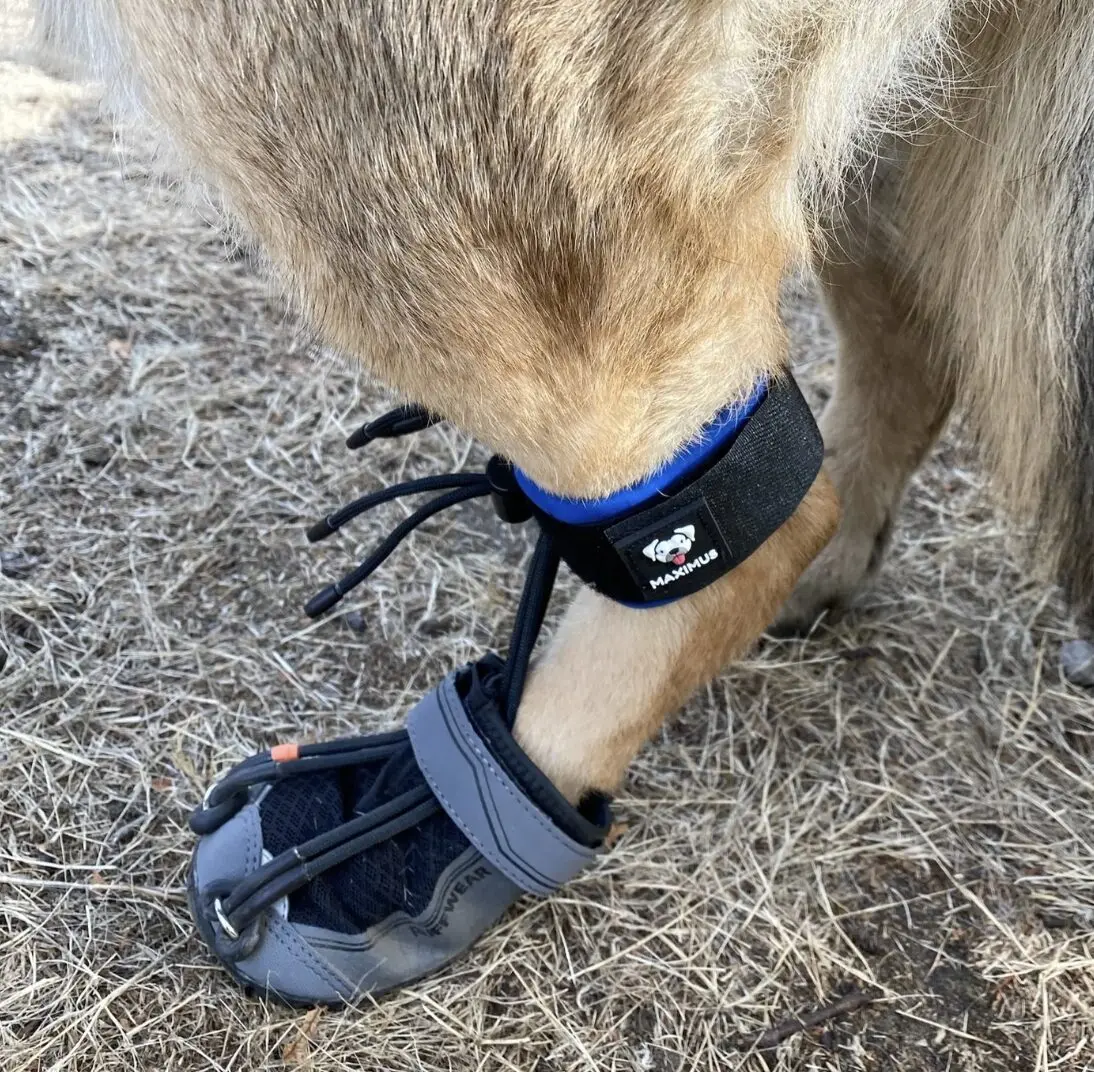
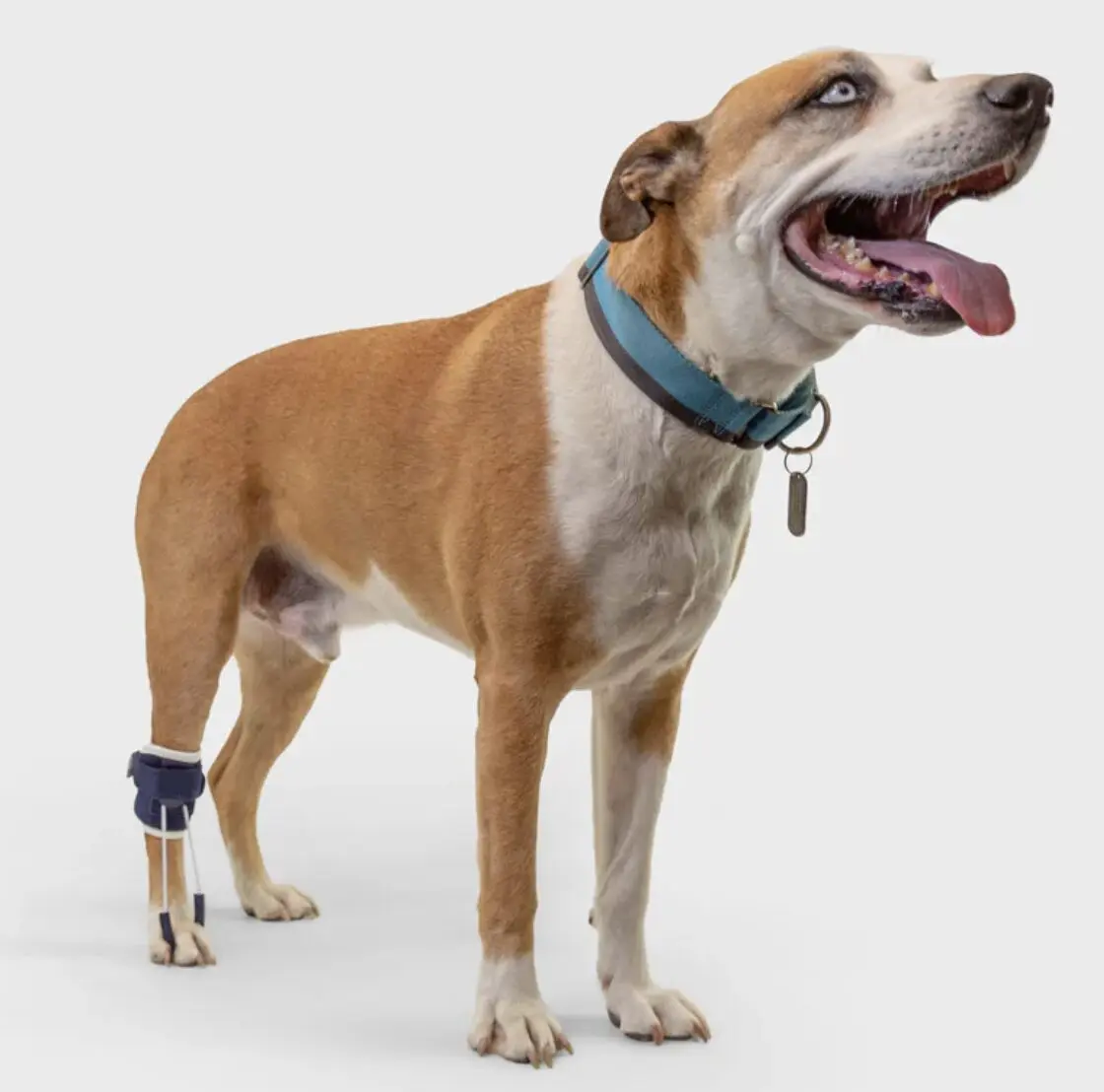
- Paw or Toe Lift Devices – Lifting devices are designed for dogs with adequate proximal strength but difficulty with paw placement. For these devices to be successful, dogs must be able to flex the stifle and advance the limb(s) independently. They can also be used in weaker dogs when combined with additional support such as a harness or wheelchair.
Decision Tree
Trial Devices and Clinical Mock-Ups
Before investing in a commercial device, inexpensive mock-ups can be done in the clinic to help determine:
- where the weakness originates
- how much assistance the dog needs
- whether a specific product will improve gait
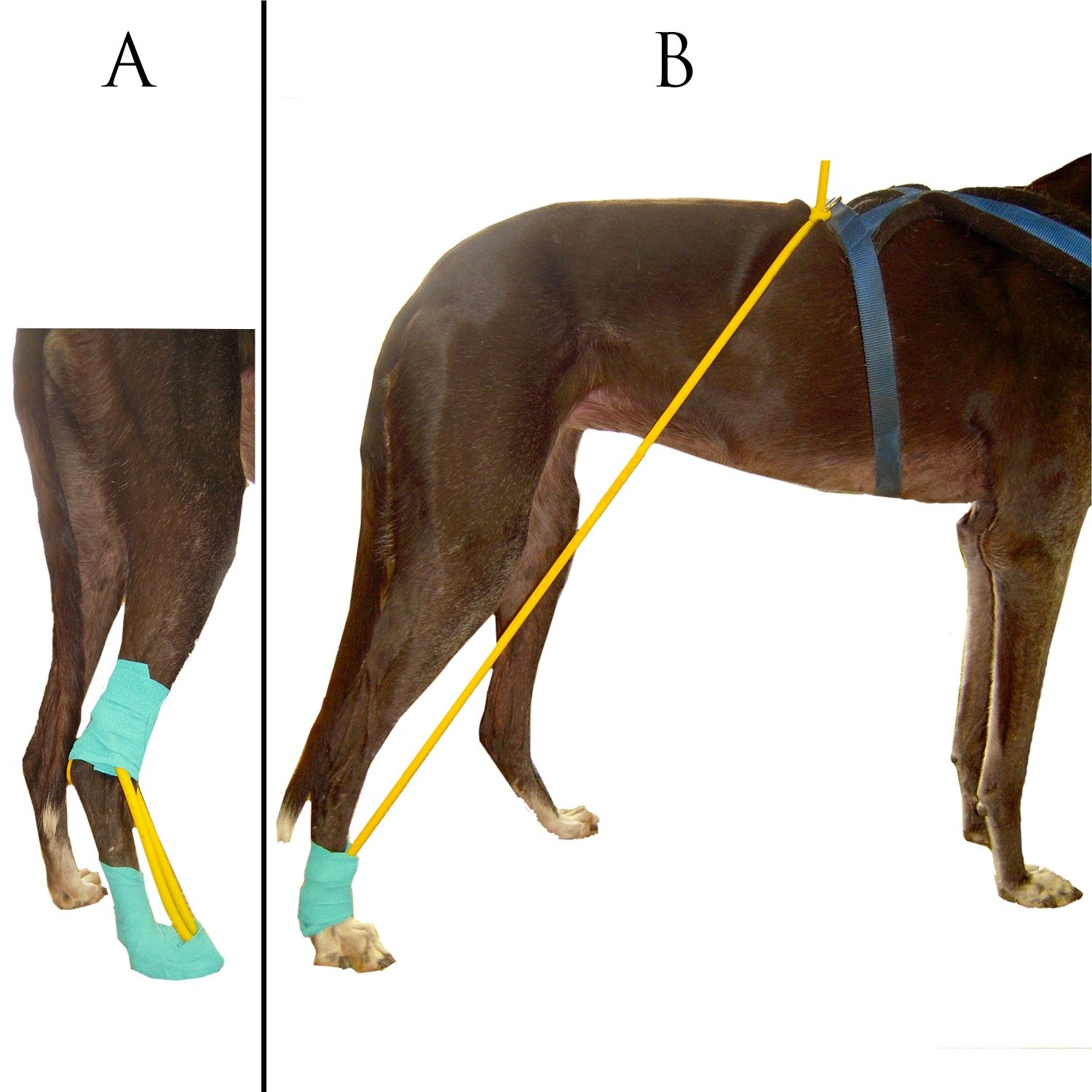
Simple materials such as vet wrap and theraband or theratubing (elastics) can be used to simulate different device types:
- Figure “8” vet wrap application to dorsiflex the middle toes and metatarsals can replicate a toe-lift system
- Adding theratubing straps to a tibial cuff (vet wrap application) replicates the a paw lift device like the Dorsi-Flex Assist (A)
- Extending the theratubing to the D-ring of a chest harness replicates a gait assist device like the Biko Progressive Resistance Bands (B)
The Key to Mobility: The Right Device at the Right Time
Helping dogs with hind end weakness requires more than simply choosing a product. It requires understanding how the device will affect and influence mobility. The goal is not simply to help the dog walk. It is to help the dog walk correctly, safely, and comfortably for as long as possible.
Final Note
When Moozie was first diagnosed, I was told he had a short time to live. We were able to extend that time significantly with the right combination of support. Moozie’s story is not unique. It reflects what’s possible when we take a thoughtful, comprehensive, individualized approach to care.
ASSISTIVE DEVICE LIST (with clickable images)
Copyright: 2026 Vital Vet publication. All rights reserved.